
In the context of home health care and well-being, the monitoring of biological indicators has traditionally been carried out with medical devices or personal wearables, such as pulse monitors or chest straps, which require active user interaction. These technologies provide accurate values, but they are not always practical and can cause discomfort or poor adherence, particularly among the elderly population. There is thus a strong interest in invisible monitoring systems integrated into everyday objects, which allow the continuous assessment of vital signs without interfering with daily routines. Considering the significant time that people spend sitting, the lower limbs – more specifically the back of the thigh – prove to be a strategic place for this passive monitoring, making it possible, for example, to incorporate sensors into chairs or sofas. Despite the potential of this approach, few studies have so far explored the measurement of vital signs from the legs; Most solutions focus on places such as the wrists, chest, or fingers.
Home / Publications / Publication
Home / Publications / Publication
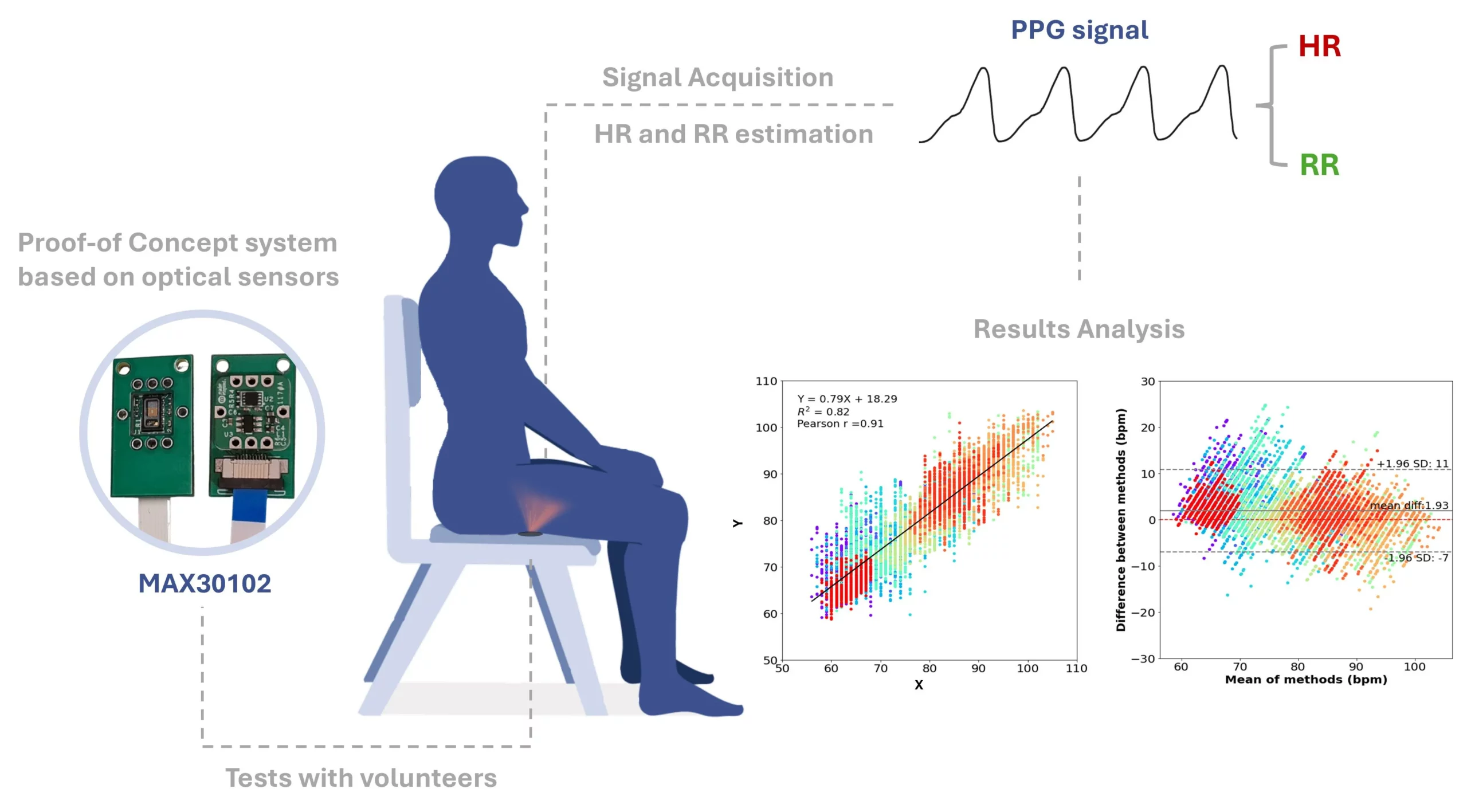
NON-INTRUSIVE MONITORING OF VITAL SIGNS IN THE LOWER LIMBS USING OPTICAL SENSORS
Publication Type: Paper Abstract
Original title: Non-Intrusive Monitoring of Vital Signs in the Lower Limbs Using Optical Sensors
Article Publication Date: January 2025
Source: MDPI – Sensors
Author(s): Joana Simões, Regina Oliveira, Florinda M. Costa, António Teixeira, Cátia Leitão, Pedro Correia & Ana Luísa M. Silva
What is the objective, target audience and areas of digital health in which you fit?
The study aimed to demonstrate a new approach to non-intrusive and continuous monitoring of vital signs – especially heart rate (HR) and respiratory rate (RR) – from the lower limbs, namely the posterior region of the legs, through optical sensors. By integrating these measurements into a day-to-day environment (for example, in chairs or other everyday objects), the solution allows you to collect digital health parameters naturally and without imposing routine changes on the user. The target audience includes anyone who can benefit from continuous and non-invasive monitoring – in particular elderly individuals or those with regular surveillance needs – and this research falls within the field of remote monitoring and wearable systems and smart environments in digital health.
What is the context?
In the context of home health care and well-being, the monitoring of biological indicators has traditionally been carried out with medical devices or personal wearables, such as pulse monitors or chest straps, which require active user interaction. These technologies provide accurate values, but they are not always practical and can cause discomfort or poor adherence, particularly among the elderly population. There is thus a strong interest in invisible monitoring systems integrated into everyday objects, which allow the continuous assessment of vital signs without interfering with daily routines. Considering the significant time that people spend sitting, the lower limbs – more specifically the back of the thigh – prove to be a strategic place for this passive monitoring, making it possible, for example, to incorporate sensors into chairs or sofas. Despite the potential of this approach, few studies have so far explored the measurement of vital signs from the legs; Most solutions focus on places such as the wrists, chest, or fingers.
What are the current approaches?
Methods available today to measure vital signs on a continuous basis usually involve contact sensors, which require the user to wear or apply a device to the body. For example, photoplethysmography (PPG)-based systems used in smartwatches, bracelets, or finger oximeters can monitor heart rate and breathing, but are dependent on user buy-in and need to be actively put on and used. On the other hand, passive monitoring technologies integrated into the environment are under development – such as smart seats that detect heartbeats through vibrations or invisible systems with optical sensors embedded in furniture. Few previous experiments have sought to collect vital signs from the lower limbs, using, for example, PPG sensors integrated into toilet seats or toes; however, these initial experiments presented methodological limitations and less precision.
What does innovation consist of? How is the impact of this technology assessed? Or How does technology support this innovation?
The innovation of this study lies in the development of a monitoring system composed of two small optical photoplethysmography sensors discreetly integrated in the posterior region of the thigh. This placement takes advantage of the good blood supply in that area and the frequent sitting posture of users, making it possible to measure vital signs such as heart and respiratory rate in a non-invasive way. The operation is based on the principle of photoplethysmography (PPG): the sensors emit infrared light on the skin and detect the amount of light reflected by the blood vessels, thus obtaining the variation in blood volume with each heartbeat. By analyzing these “light oscillations” with dedicated algorithms, the system calculates in real time the heart rate (from the pulse peaks) and the respiratory rate (by modulating the PPG signal according to the respiratory cycle), all without the need for any action from the user other than sitting. To assess the performance and impact of the technology, the researchers conducted tests on 17 healthy volunteers (5 men and 12 women, aged 22 to 40), comparing the readings from the new system with those of reference devices: a chest strap measuring the breathing pattern and a commercial finger sensor (oximeter) for heart rate. Each participant remained seated for about 10 minutes in a seat equipped with the optical sensors positioned under the legs, while collecting data from the new system and conventional monitors. This experimental approach allowed the reliability and accuracy of the proposed solution to be rigorously evaluated under practical conditions.
What are the main results? What is the impact of these results? Or What are the results obtained? What are the main conclusions of these results? What is the future of this approach?
The tests showed that the developed system was able to obtain quality PPG signals from the lower limbs and to calculate heart and respiratory rates with a high degree of reliability. Compared to conventional sensors, the measurements of the device showed a strong agreement, with a correlation of r = 0.92 for heart rate and r = 0.77 for respiratory rate, and minimal mean errors (approximately 1.2 beats per minute and 0.9 breaths per minute difference in relation to the reference readings). This corresponds to a high accuracy — about 95.9% in HR measurements and 91.3% in RR measurements — proving the feasibility and accuracy of this form of non-intrusive monitoring. During the experiment, no risks or adverse effects associated with the use of the prototype were identified, and the readings closely followed the variation of traditional monitors, which confirms the robustness of the system.
In conclusion, the research demonstrated that it is possible to monitor vital signs through the legs reliably, paving the way for new applications of passive monitoring in the home context. It is noteworthy that the evaluation of respiratory rate proved to be more challenging (because it is not a physiological parameter measured directly, but inferred from the PPG signal), which requires more complex analysis processes to achieve greater precision. Some records had to be excluded due to signal noise caused by individual movements or factors, highlighting the need for future optimization. As such, future prospects include improving sensor algorithms and design to attenuate motion artifacts and refine respiratory rate detection. In addition, complementary studies will be needed with more diverse populations and in real scenarios of prolonged use, in order to consolidate the adoption of this technology in everyday life.
Would you like to know all the details?

Development of a Digital Platform: A Perspective to Advance Space Telepharmacy
Decades of human spaceflight have highlighted unique challenges in managing health and medication in space, shedding light on high-stakes scenarios where timely medical intervention is…
ChatGPT-4 Performance in Interpreting Medical Images in Gastroenterology: Potential and Limitations
The increasing availability of large language models (LLMs) such as ChatGPT has accelerated their use in clinical settings, particularly for answering medical questions, supporting diagnosis,…
Inclusive Clothing Design for People With Down Syndrome Based on Digital Anthropometry
People with Down syndrome have morphological and functional characteristics that differ from the general population, which may lead to significant difficulties when using clothing available…
Virtual Reality in Colonography to Optimise Lesion Detection
Colorectal cancer is one of the most prevalent and deadly types of cancer worldwide. Its incidence has been increasing, influenced by an ageing population, poor…

Restoring Hand Function With a Wearable Exoskeleton Glove
The human hand is a highly complex anatomical structure, with more than 30 muscles, 27 bones, and thousands of nerve endings that together provide remarkable…

Gestures That Become Sentences: Interpreting Portuguese Sign Language Through AI
Hearing is one of the primary senses of the human being, as it allows us to detect vibrations through the ear and, from them, understand…

Neural Networks That See Beyond the Human Eye: Detection of Intestinal Metaplasia
Gastric cancer remains one of the main threats to global public health, currently ranking as the fifth most common cancer and the third leading cause…

More Distance, Less Pain: Impact of a Digital Program on Peripheral Arterial Disease
PAD is a progressive cardiovascular disease resulting from narrowing or obstruction of the arteries in the lower limbs, a consequence of atherosclerosis — a chronic…

Telerehabilitating Children With Cerebral Palsy Through Interactive Virtual Games
Cerebral palsy is a group of permanent movement and posture disorders, caused by a non-progressive lesion in the brain during its development. In addition to…
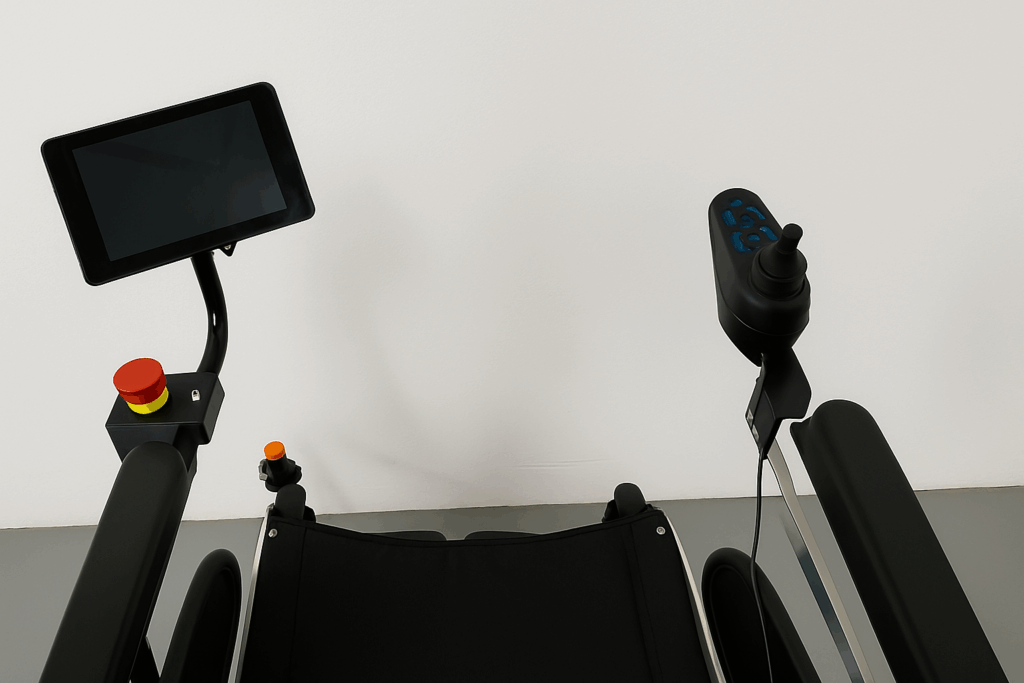
Autonomous Patient Mobility in a Hospital Environment
The internal transport of patients in healthcare institutions, although at first glance it may seem like a simple task, represents a complex, continuous, demanding and…

The Future of Diagnostics: Speech and AI
Speech is a biomarker that reflects, in a sensitive way, the integrated functioning of several physiological systems, namely the nervous, respiratory, and muscular systems. This…

Immersive Reality as a Formative Tool for Understanding Schizophrenia
Schizophrenia is a chronic mental disorder that significantly affects thinking, emotions, perception of reality and behaviour. It is characterised by a break with reality (psychosis),…
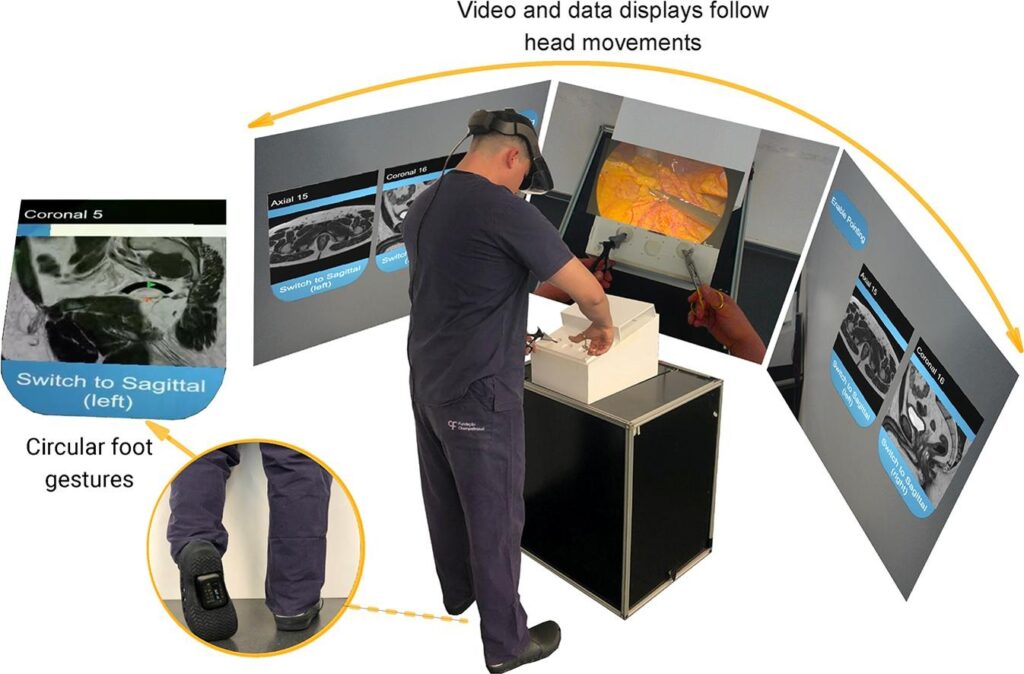
Augmented Reality in Laparoscopy: A New Way to Operate Comfortably
Minimally invasive surgery is a procedure performed inside the body through small incisions and is referred to by different names depending on the region intervened….

What Literature Reveals About Healthcare in the Future
The healthcare sector is undergoing rapid transformation driven by population aging, increasing complexity of care, and digital advancements, in a context that requires greater integration,…
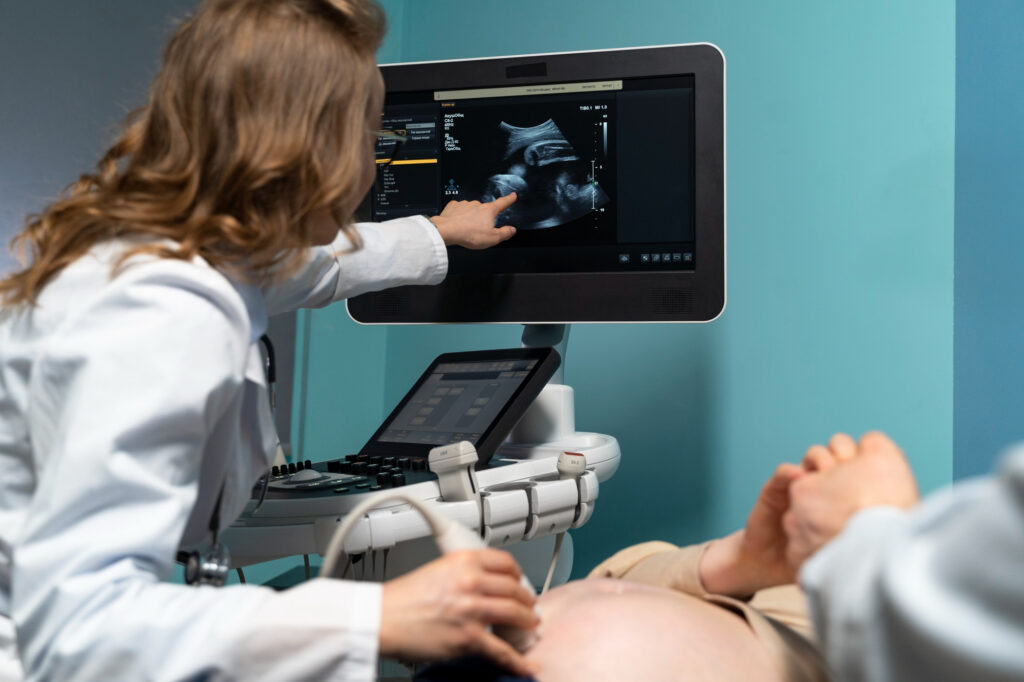
Prediction of Delivery Mode After Induction Using Machine Learning Models
Induction of labor is a frequently performed obstetric procedure that involves the artificial initiation of uterine contractions before spontaneous onset. Its use has been increasing…

From Mammographic Reports in Portuguese to Structured Clinical Data: An Automatic Transformation
Digital transformation has reconfigured healthcare systems, by integrating digital technologies into clinical and administrative processes, driving improvements in the quality of services, patient safety and…

A Digital Intervention for Insomnia in Oncology
Insomnia is a sleep disorder characterised by persistent difficulties in initiating sleep, maintaining sleep during the night, or achieving restful sleep. These difficulties arise even…

From Awareness to Change With a Digital Toolkit to Promote Healthy Lifestyles
In the last century, the average human life expectancy has significantly increased, due to improvements in healthcare, sanitation, nutrition, and medical therapies. However, this increased…

Digital Technology Revolutionising Post-cardiac Surgery
According to the World Health Organisation, cardiovascular disease remains the leading cause of death worldwide, responsible for around 17.9 million deaths a year. Its high…
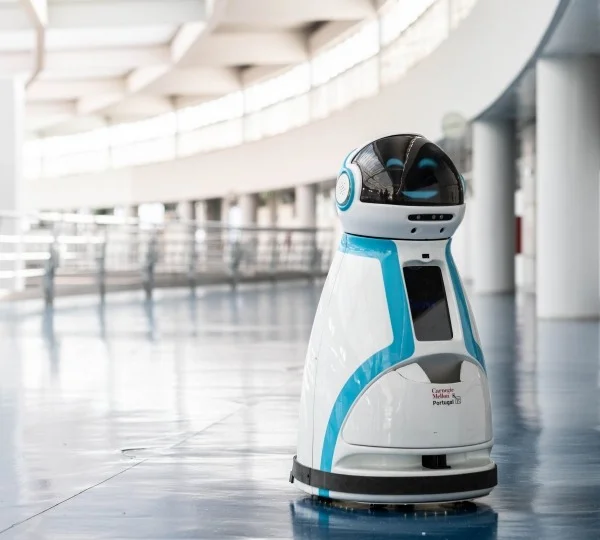
Autonomous Robotics System for Autism Therapy
Autism spectrum disorder is a neurodevelopmental condition with significant clinical, social and economic repercussions throughout life. According to the World Health Organization, it is estimated…
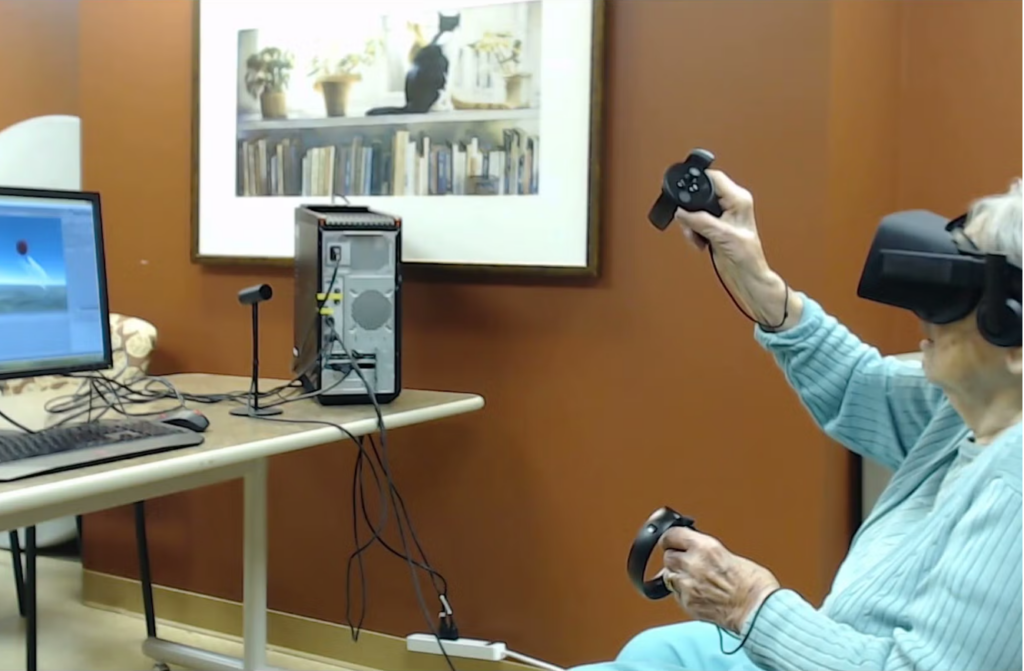
Virtual Reality Exergames as a Tool for Diagnosing Eye Diseases
Eye diseases represent a growing public health challenge in Portugal, significantly compromising the population’s quality of life. The increase in their prevalence is associated with…

Improving Efficiency in the Clinical Follow-up for Covid-19 Cases With a Digital Platform
COVID-19, caused by the SARS-CoV-2 virus, is a highly contagious disease with the potential to cause serious complications, requiring the isolation of infected individuals and…

The Rising Threat of Antibiotic-resistant Klebsiella in Portuguese Hospitals
Healthcare-associated infections pose a serious public health threat, as they are acquired during medical treatments or hospital stays, often leading to prolonged hospitalizations, high costs…

Deep Neural Networks And The Future Of Early Detection Of Alzheimer’s Disease
Alzheimer’s disease is the most common form of dementia, affecting more than 55 million people globally and accounting for around 70 percent of dementia cases….

The Challenges of Data Protection in Digital Health Platforms for the Elderly
Demographic ageing poses significant challenges to healthcare systems, intensifying the pressure on infrastructures and human resources. It is estimated that by 2050 the elderly population…

Mobile Application to Improve Workflows in Nursing Homes
Portugal has one of the highest aging populations in the world, placing increasing pressure on elderly care services, especially in nursing homes. Healthcare professionals in…
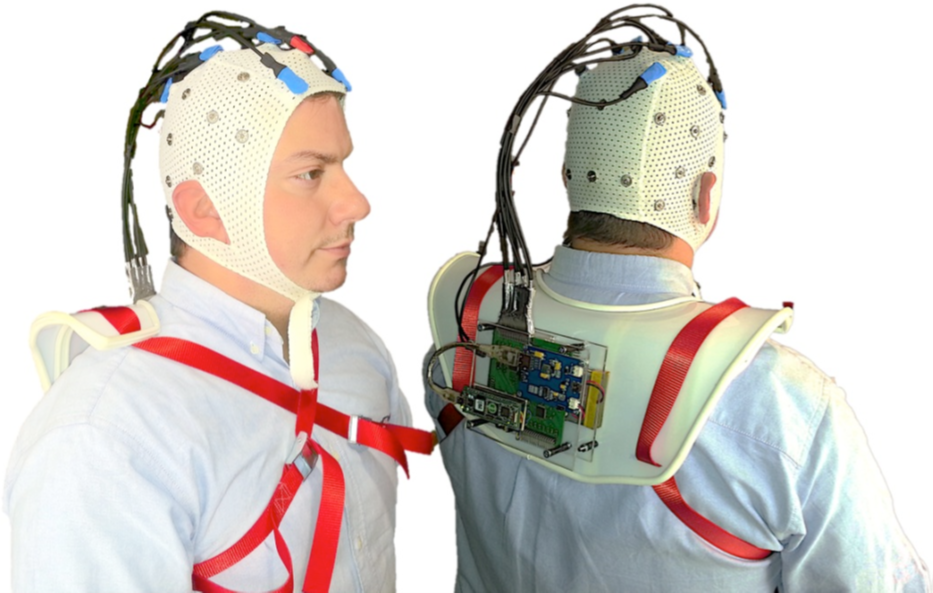
Facilitating Epilepsy Diagnosis With a Wireless and Wearable EEG System
Paroxysmal diseases are characterized by sudden, episodic conditions that cause temporary changes in the body. Among them, epilepsy stands out for causing synchronous and uncontrolled…
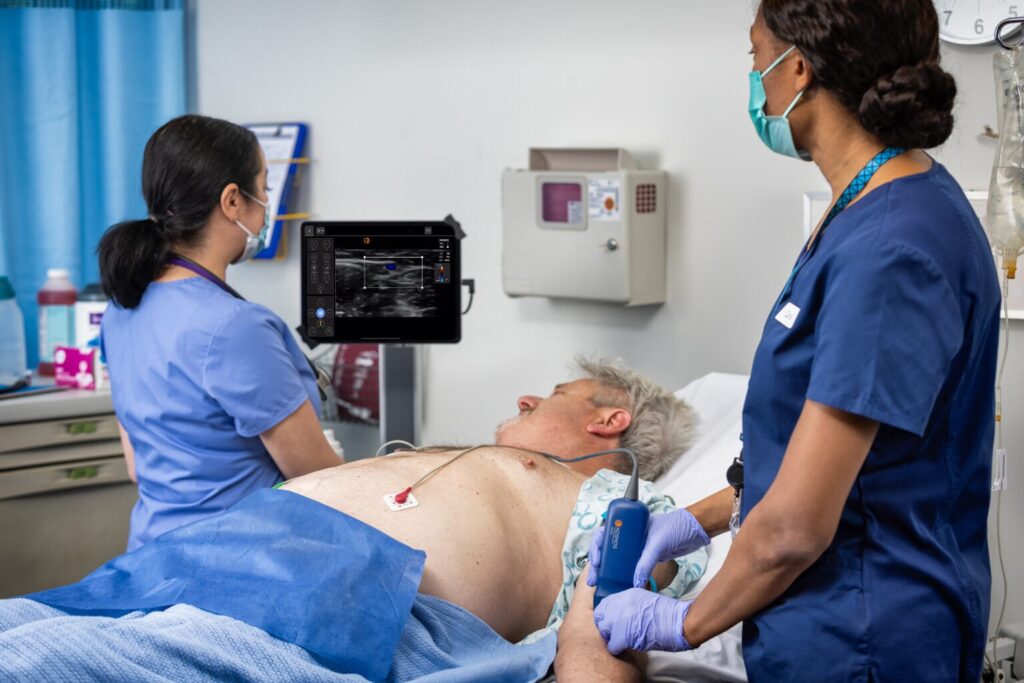
Automatic Segmentation of Blood Vessels in Carotid Ultrasound Images
Vascular diseases, such as carotid stenosis (narrowing of the carotid arteries, which connect the heart to the brain, caused by the accumulation of fatty atheroma…

Impact of Robotherapy-PARO on Elderly People With Dementia in Portugal
Aging is a gradual, multifactorial and continuous process characterized by the progressive loss of biological function and degeneration associated with the onset of age-related diseases….

New Era of Interoperability in Healthcare Systems
The growing use of electronic health records, digital diagnostic systems and remote monitoring technologies has led to a significant increase in the volume and complexity…
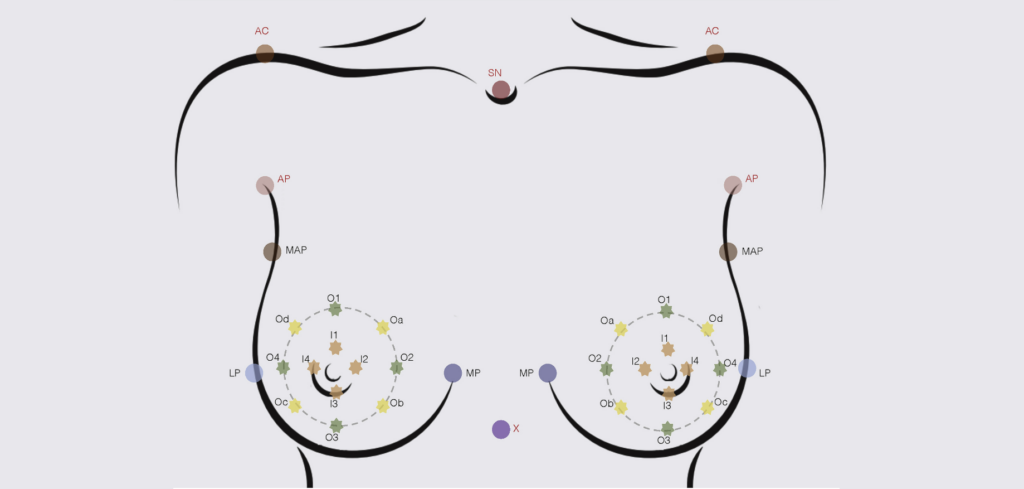
Improvement in Breast Tumor Localization With an Image Fusion Algorithm
Breast-conserving surgery aims to remove tumors while preserving as much healthy breast tissue as possible, ensuring optimal aesthetic outcomes that are critical for a patient’s…
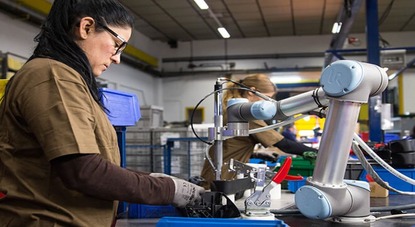
Collaborative Robotics Improves Working Conditions
Workers face growing challenges in the industrial environment. Among the most critical are fatigue and inappropriate postures, often associated with repetitive tasks and working conditions…
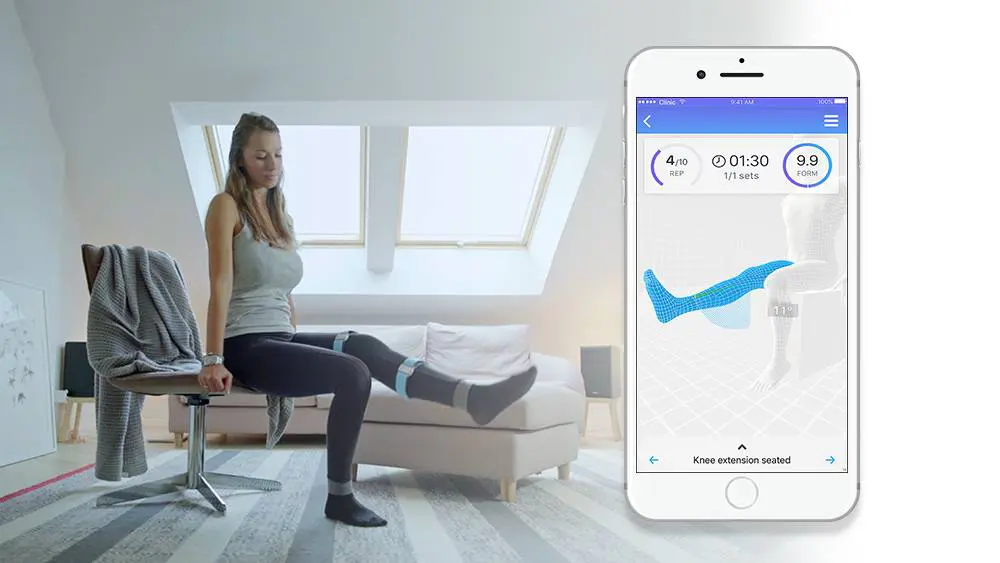
The Role of Mobile Technologies in the Monitoring and Rehabilitation of Peripheral Arterial Disease
PAD is a prevalent chronic condition, affecting approximately 200 million individuals globally, characterized by obstruction of the peripheral arteries, especially in the lower extremities, due…
Incorporation of Digital Implants Into CT Images to Plan Orthopedic Surgery
Orthopedic surgery addresses conditions of the musculoskeletal system to alleviate pain, restore function, and enhance the patient’s quality of life. Its success relies on meticulous…

Digital Health at the Top of the National Poliempreende 2024 Results
Poliempreende is a consolidated national network for encouraging entrepreneurship in higher education in Portugal, with two decades of existence. Focused on promoting innovation, the competition…

Digital Solution Facilitates Interaction Between Users and Health Professionals
Many patients face difficulties scheduling medical appointments in hospital units, and, when successful, they often endure long waiting times to be attended. This situation is…

The Impact of Calm Computing Integration on the Clinical Process
In recent years, digital transformation in healthcare has played a crucial role, driven by the exponential increase in medical data. This ranges from administrative information…
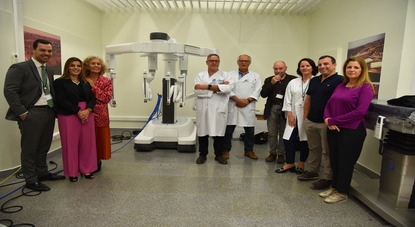
ULS Almada-Seixal Revolutionizes With the Region’s First Surgical Robot
In recent years, ULSAS has been gradually implementing robotic systems, reinforcing its commitment to innovation and improving healthcare. Recently, the institution acquired a state-of-the-art robotic…

Online Intervention Aims to Prevent Anxiety in the General Population
Anxiety disorders are a global problem, affecting 300 million people worldwide and placing significant pressure on individuals and healthcare systems. In Europe alone, the economic…
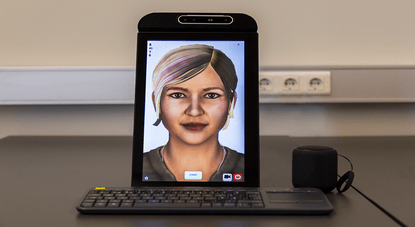
Rehabilitation of Facial Paralysis Through Virtual Assistants
Facial paralysis, defined by the inability to move one or both sides of the face, has an incidence of 20 to 30 cases per 100,000…
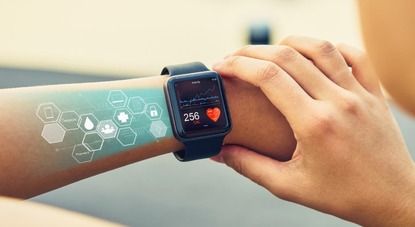
Detection of Anxiety and Panic Attacks in Real Time
The growing number of people with anxiety disorders, along with increased awareness of mental health, drives the need for new technological tools that provide remote…
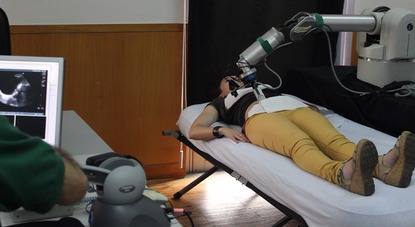
A Novel Approach for Robotic-assisted Tele-echography
Currently, robotic systems for ultrasound diagnostic procedures fall into two main categories: portable robots that require manual positioning and fully autonomous robotic systems that independently…

From Big Data to Big Decisions: How AI Stratifies Cancer Cases by Risk Factors
The CLARIFY Decision Support Platform (DSP) is a responsive web application designed to support decision-making in cancer care through real-time data integration and predictive analytics….

From “Free Text” to Structured Clinical Data: the Foundation for Clinical Decision Support Systems
Currently, the practice of recording clinical information in “free text” offers flexibility, but hinders automatic data extraction, limiting the application of analytical models. Most records…
Artificial Intelligence used in Depression Detection in Cancer Survivors
The goal of the FAITH project (Federated Artificial Intelligence solution for moniToring mental Health status after cancer treatment) is to remotely identify and predict depressive…

Integration of SONHO v2 and SClínico Systems at ULS of Coimbra to Improve Healthcare Services
With more than half a million hospital medical consultations carried out in the first half of 2024, the ULS of Coimbra stands out as an…

Elderly Care Ecosystem: an Innovative Platform for Personalized and Efficient Services
The Elderly Care Ecosystem (ECE) is an integration of various digital health technologies, exploring the areas of telehealth and predictive analytics. The goal of this…

Innovative technology that subconsciously relieves anxiety through a scarf
The SCAARF technology aims to offer an alternative method to alleviate anxiety symptoms in a non-intrusive and subconscious way. This technology is an innovative idea…

Digital Health Interventions: Equity in Hypertension Care for Everyone
Nearly half of all adults in the United States have hypertension, one of the leading risk factors for cardiovascular disease, and only about a quarter…
Personalization and Technology in Diabetes Management
IPDM has significant potential to improve diabetes management and drive health system reforms to become high-performing, effective, equitable, accessible, and sustainable. Evidence and good practices…
Negotiations on the European Health Data Space Advance With the Participation of the SPMS
The European Health Data Space will be a common health data sharing system across the European Union. It foresees the use of data for purposes…

Secretary of State Margarida Tavares Emphasizes Digital Innovation in Health Promotion
Margarida Tavares spoke at the opening of the conference ” O Digital na promoção contínua da saúde e do bem-estar”, organized by the Associação para…
ARS Algarve Modernizes Radiology With AI and New Data Center
The radiology service of ARS Algarve has already performed nearly 29,000 exams using Artificial Intelligence (AI) technology. In recent years, there has been a significant…

European Health Data Space: Unified Access To Health Data In The EU
The COVID-19 pandemic highlighted the importance of digital services in health, but complex rules and increasing cyberattacks make it difficult to share data across Member…

European Commission Amends Digital Europe Programme With an Investment of €762.7 Million
The European Commission has amended the Digital Europe Programme work programmes 2023-2024, investing an additional €762.7 million in Europe’s digital transition and cybersecurity. The digital…
SPMS Integrates the TEF-Health Initiative
SPMS participates in the TEF-Health initiative as a partner in a consortium composed of 51 entities from 9 European Union countries. This action is co-financed…

FMUP Creates Inhealth Junior Academy for High School Students
The InHealth Junior Academy — Academia Júnior de Inovação em Saúde is an initiative of the Departamento de Medicina da Comunidade, Informação e Decisão em…

SPMS Represents Portugal as Vice-president of GDHP
The GDHP is an intergovernmental organization in the digital health sector that facilitates cooperation and collaboration between government representatives and the World Health Organization (WHO)….

Digital Transformation of Health at INCoDe.2030 in Tomar
The “National Digital Skills Initiative e.2030, Portugal” (INCoDe.2030) is an initiative that aims to improve the Portuguese population’s level of digital skills, placing Portugal at…

Braga Hospital Evaluates Memory With Interactive Game in Patients With Multiple Sclerosis
Multiple Sclerosis is known as a chronic disease of the central nervous system, with a wide variety of motor and sensory symptoms that can lead…

Neurosurgery Teleconsultation Wins Innovation Award
The aim of the BI Award for Innovation in Healthcare is to recognize innovative projects in the healthcare sector that improve the quality of life…

HealthData@PT: New SPMS Initiative for Health Data
Action HealthData@PT is launched in the context of the implementation of the European Health Data Space, and is an initiative approved by the European Commission…
Do you have an innovative idea in healthcare field?
Share it with us and see it come to life.
We will help bring your projects to life!



Follow Us


Co-funded by


Co-funded by
Home / Publications / Publication
NON-INTRUSIVE MONITORING OF VITAL SIGNS IN THE LOWER LIMBS USING OPTICAL SENSORS
Publication Type: Paper Abstract
Original title: Non-Intrusive Monitoring of Vital Signs in the Lower Limbs Using Optical Sensors
Article Publication Date: January 2025
Source: MDPI – Sensors
Author(s): Joana Simões, Regina Oliveira, Florinda M. Costa, António Teixeira, Cátia Leitão, Pedro Correia & Ana Luísa M. Silva
What is the objective, target audience and areas of digital health in which you fit?
The study aimed to demonstrate a new approach to non-intrusive and continuous monitoring of vital signs – especially heart rate (HR) and respiratory rate (RR) – from the lower limbs, namely the posterior region of the legs, through optical sensors. By integrating these measurements into a day-to-day environment (for example, in chairs or other everyday objects), the solution allows you to collect digital health parameters naturally and without imposing routine changes on the user. The target audience includes anyone who can benefit from continuous and non-invasive monitoring – in particular elderly individuals or those with regular surveillance needs – and this research falls within the field of remote monitoring and wearable systems and smart environments in digital health.
What is the context?
In the context of home health care and well-being, the monitoring of biological indicators has traditionally been carried out with medical devices or personal wearables, such as pulse monitors or chest straps, which require active user interaction. These technologies provide accurate values, but they are not always practical and can cause discomfort or poor adherence, particularly among the elderly population. There is thus a strong interest in invisible monitoring systems integrated into everyday objects, which allow the continuous assessment of vital signs without interfering with daily routines. Considering the significant time that people spend sitting, the lower limbs – more specifically the back of the thigh – prove to be a strategic place for this passive monitoring, making it possible, for example, to incorporate sensors into chairs or sofas. Despite the potential of this approach, few studies have so far explored the measurement of vital signs from the legs; Most solutions focus on places such as the wrists, chest, or fingers.
What are the current approaches?
Methods available today to measure vital signs on a continuous basis usually involve contact sensors, which require the user to wear or apply a device to the body. For example, photoplethysmography (PPG)-based systems used in smartwatches, bracelets, or finger oximeters can monitor heart rate and breathing, but are dependent on user buy-in and need to be actively put on and used. On the other hand, passive monitoring technologies integrated into the environment are under development – such as smart seats that detect heartbeats through vibrations or invisible systems with optical sensors embedded in furniture. Few previous experiments have sought to collect vital signs from the lower limbs, using, for example, PPG sensors integrated into toilet seats or toes; however, these initial experiments presented methodological limitations and less precision.
What does innovation consist of? How is the impact of this technology assessed? Or How does technology support this innovation?
The innovation of this study lies in the development of a monitoring system composed of two small optical photoplethysmography sensors discreetly integrated in the posterior region of the thigh. This placement takes advantage of the good blood supply in that area and the frequent sitting posture of users, making it possible to measure vital signs such as heart and respiratory rate in a non-invasive way. The operation is based on the principle of photoplethysmography (PPG): the sensors emit infrared light on the skin and detect the amount of light reflected by the blood vessels, thus obtaining the variation in blood volume with each heartbeat. By analyzing these “light oscillations” with dedicated algorithms, the system calculates in real time the heart rate (from the pulse peaks) and the respiratory rate (by modulating the PPG signal according to the respiratory cycle), all without the need for any action from the user other than sitting. To assess the performance and impact of the technology, the researchers conducted tests on 17 healthy volunteers (5 men and 12 women, aged 22 to 40), comparing the readings from the new system with those of reference devices: a chest strap measuring the breathing pattern and a commercial finger sensor (oximeter) for heart rate. Each participant remained seated for about 10 minutes in a seat equipped with the optical sensors positioned under the legs, while collecting data from the new system and conventional monitors. This experimental approach allowed the reliability and accuracy of the proposed solution to be rigorously evaluated under practical conditions.
What are the main results? What is the impact of these results? Or What are the results obtained? What are the main conclusions of these results? What is the future of this approach?
The tests showed that the developed system was able to obtain quality PPG signals from the lower limbs and to calculate heart and respiratory rates with a high degree of reliability. Compared to conventional sensors, the measurements of the device showed a strong agreement, with a correlation of r = 0.92 for heart rate and r = 0.77 for respiratory rate, and minimal mean errors (approximately 1.2 beats per minute and 0.9 breaths per minute difference in relation to the reference readings). This corresponds to a high accuracy — about 95.9% in HR measurements and 91.3% in RR measurements — proving the feasibility and accuracy of this form of non-intrusive monitoring. During the experiment, no risks or adverse effects associated with the use of the prototype were identified, and the readings closely followed the variation of traditional monitors, which confirms the robustness of the system.
In conclusion, the research demonstrated that it is possible to monitor vital signs through the legs reliably, paving the way for new applications of passive monitoring in the home context. It is noteworthy that the evaluation of respiratory rate proved to be more challenging (because it is not a physiological parameter measured directly, but inferred from the PPG signal), which requires more complex analysis processes to achieve greater precision. Some records had to be excluded due to signal noise caused by individual movements or factors, highlighting the need for future optimization. As such, future prospects include improving sensor algorithms and design to attenuate motion artifacts and refine respiratory rate detection. In addition, complementary studies will be needed with more diverse populations and in real scenarios of prolonged use, in order to consolidate the adoption of this technology in everyday life.
Would you like to know all the details?
Development of a Digital Platform: A Perspective to Advance Space Telepharmacy
Decades of human spaceflight have highlighted unique challenges in managing health and medication in space, shedding light on high-stakes scenarios where timely medical intervention is crucial. At the same time, on Earth, there is a…
ChatGPT-4 Performance in Interpreting Medical Images in Gastroenterology: Potential and Limitations
The increasing availability of large language models (LLMs) such as ChatGPT has accelerated their use in clinical settings, particularly for answering medical questions, supporting diagnosis, and assisting patient education. With the evolution toward multimodal versions…
Inclusive Clothing Design for People With Down Syndrome Based on Digital Anthropometry
People with Down syndrome have morphological and functional characteristics that differ from the general population, which may lead to significant difficulties when using clothing available on the market. These difficulties result in discomfort, poor fit,…
Virtual Reality in Colonography to Optimise Lesion Detection
Colorectal cancer is one of the most prevalent and deadly types of cancer worldwide. Its incidence has been increasing, influenced by an ageing population, poor dietary habits and sedentary lifestyles. Despite high cure rates when…
Restoring Hand Function With a Wearable Exoskeleton Glove
The human hand is a highly complex anatomical structure, with more than 30 muscles, 27 bones, and thousands of nerve endings that together provide remarkable dexterity and precision. Its versatility makes it central to independence…
Gestures That Become Sentences: Interpreting Portuguese Sign Language Through AI
Hearing is one of the primary senses of the human being, as it allows us to detect vibrations through the ear and, from them, understand the environment, communicate effectively, interact socially and react to dangerous…
Neural Networks That See Beyond the Human Eye: Detection of Intestinal Metaplasia
Gastric cancer remains one of the main threats to global public health, currently ranking as the fifth most common cancer and the third leading cause of cancer death. Late diagnosis is the biggest obstacle, as…
More Distance, Less Pain: Impact of a Digital Program on Peripheral Arterial Disease
PAD is a progressive cardiovascular disease resulting from narrowing or obstruction of the arteries in the lower limbs, a consequence of atherosclerosis — a chronic process characterized by the formation of fatty plaques and fibrous…
Telerehabilitating Children With Cerebral Palsy Through Interactive Virtual Games
Cerebral palsy is a group of permanent movement and posture disorders, caused by a non-progressive lesion in the brain during its development. In addition to motor difficulties, changes in sensation, perception, communication, behavior, epilepsy and…
Autonomous Patient Mobility in a Hospital Environment
The internal transport of patients in healthcare institutions, although at first glance it may seem like a simple task, represents a complex, continuous, demanding and time-consuming logistical operation that cuts across all levels of the…
The Future of Diagnostics: Speech and AI
Speech is a biomarker that reflects, in a sensitive way, the integrated functioning of several physiological systems, namely the nervous, respiratory, and muscular systems. This complexity makes it a promising resource for detecting changes associated…
Immersive Reality as a Formative Tool for Understanding Schizophrenia
Schizophrenia is a chronic mental disorder that significantly affects thinking, emotions, perception of reality and behaviour. It is characterised by a break with reality (psychosis), often manifested by hallucinations (such as hearing non-existent voices), delusions…
Augmented Reality in Laparoscopy: A New Way to Operate Comfortably
Minimally invasive surgery is a procedure performed inside the body through small incisions and is referred to by different names depending on the region intervened. When it occurs in the abdominal or pelvic cavity, it…
What Literature Reveals About Healthcare in the Future
The healthcare sector is undergoing rapid transformation driven by population aging, increasing complexity of care, and digital advancements, in a context that requires greater integration, sustainability and adaptation to new realities such as the European…
Prediction of Delivery Mode After Induction Using Machine Learning Models
Induction of labor is a frequently performed obstetric procedure that involves the artificial initiation of uterine contractions before spontaneous onset. Its use has been increasing globally, particularly in high-income countries, where it accounts for about…
From Mammographic Reports in Portuguese to Structured Clinical Data: An Automatic Transformation
Digital transformation has reconfigured healthcare systems, by integrating digital technologies into clinical and administrative processes, driving improvements in the quality of services, patient safety and the organizational efficiency of institutions. In addition to the computerization…
A Digital Intervention for Insomnia in Oncology
Insomnia is a sleep disorder characterised by persistent difficulties in initiating sleep, maintaining sleep during the night, or achieving restful sleep. These difficulties arise even in the presence of adequate sleeping conditions and are often…
From Awareness to Change With a Digital Toolkit to Promote Healthy Lifestyles
In the last century, the average human life expectancy has significantly increased, due to improvements in healthcare, sanitation, nutrition, and medical therapies. However, this increased longevity does not always translate into more years of healthy…
Digital Technology Revolutionising Post-cardiac Surgery
According to the World Health Organisation, cardiovascular disease remains the leading cause of death worldwide, responsible for around 17.9 million deaths a year. Its high prevalence is associated with unhealthy lifestyles characterised by poor diet,…
Autonomous Robotics System for Autism Therapy
Autism spectrum disorder is a neurodevelopmental condition with significant clinical, social and economic repercussions throughout life. According to the World Health Organization, it is estimated to affect approximately 1 in 160 children worldwide. Its origin…
Virtual Reality Exergames as a Tool for Diagnosing Eye Diseases
Eye diseases represent a growing public health challenge in Portugal, significantly compromising the population’s quality of life. The increase in their prevalence is associated with various factors, such as demographic ageing, excessive use of digital…
Improving Efficiency in the Clinical Follow-up for Covid-19 Cases With a Digital Platform
COVID-19, caused by the SARS-CoV-2 virus, is a highly contagious disease with the potential to cause serious complications, requiring the isolation of infected individuals and appropriate clinical follow-up. While severe cases require hospitalization, patients with…
The Rising Threat of Antibiotic-resistant Klebsiella in Portuguese Hospitals
Healthcare-associated infections pose a serious public health threat, as they are acquired during medical treatments or hospital stays, often leading to prolonged hospitalizations, high costs for healthcare systems and high mortality rates. Portugal has one…
Deep Neural Networks And The Future Of Early Detection Of Alzheimer’s Disease
Alzheimer’s disease is the most common form of dementia, affecting more than 55 million people globally and accounting for around 70 percent of dementia cases. In Portugal, it is estimated that 200,000 people live with…
The Challenges of Data Protection in Digital Health Platforms for the Elderly
Demographic ageing poses significant challenges to healthcare systems, intensifying the pressure on infrastructures and human resources. It is estimated that by 2050 the elderly population will exceed 2 billion people, making it imperative to implement…
Mobile Application to Improve Workflows in Nursing Homes
Portugal has one of the highest aging populations in the world, placing increasing pressure on elderly care services, especially in nursing homes. Healthcare professionals in these facilities are often overwhelmed due to the increasing number…
Facilitating Epilepsy Diagnosis With a Wireless and Wearable EEG System
Paroxysmal diseases are characterized by sudden, episodic conditions that cause temporary changes in the body. Among them, epilepsy stands out for causing synchronous and uncontrolled neuronal discharges, resulting in recurrent and unprovoked seizures. These seizures…
Automatic Segmentation of Blood Vessels in Carotid Ultrasound Images
Vascular diseases, such as carotid stenosis (narrowing of the carotid arteries, which connect the heart to the brain, caused by the accumulation of fatty atheroma plaques), cerebrovascular accidents (CVA) (sudden interruption of blood flow to…
Impact of Robotherapy-PARO on Elderly People With Dementia in Portugal
Aging is a gradual, multifactorial and continuous process characterized by the progressive loss of biological function and degeneration associated with the onset of age-related diseases. In Portugal, the aging of the population is particularly noticeable,…
New Era of Interoperability in Healthcare Systems
The growing use of electronic health records, digital diagnostic systems and remote monitoring technologies has led to a significant increase in the volume and complexity of health data. This increase intensifies the need for continuous,…
Improvement in Breast Tumor Localization With an Image Fusion Algorithm
Breast-conserving surgery aims to remove tumors while preserving as much healthy breast tissue as possible, ensuring optimal aesthetic outcomes that are critical for a patient’s quality of life. To achieve this objective, precise location of…
Collaborative Robotics Improves Working Conditions
Workers face growing challenges in the industrial environment. Among the most critical are fatigue and inappropriate postures, often associated with repetitive tasks and working conditions that lack ergonomic suitability. These factors represent significant risks for…
The Role of Mobile Technologies in the Monitoring and Rehabilitation of Peripheral Arterial Disease
PAD is a prevalent chronic condition, affecting approximately 200 million individuals globally, characterized by obstruction of the peripheral arteries, especially in the lower extremities, due to the formation of atherosclerotic plaques, which compromise blood flow…
Incorporation of Digital Implants Into CT Images to Plan Orthopedic Surgery
Orthopedic surgery addresses conditions of the musculoskeletal system to alleviate pain, restore function, and enhance the patient’s quality of life. Its success relies on meticulous pre-operative planning that incorporates clinical data and patient-specific imaging to…
Digital Health at the Top of the National Poliempreende 2024 Results
Poliempreende is a consolidated national network for encouraging entrepreneurship in higher education in Portugal, with two decades of existence. Focused on promoting innovation, the competition has had a significant impact on the national economy, with…
Digital Solution Facilitates Interaction Between Users and Health Professionals
Many patients face difficulties scheduling medical appointments in hospital units, and, when successful, they often endure long waiting times to be attended. This situation is aggravated by problems such as the incompatibility of schedules between…
The Impact of Calm Computing Integration on the Clinical Process
In recent years, digital transformation in healthcare has played a crucial role, driven by the exponential increase in medical data. This ranges from administrative information to detailed records of diagnoses, laboratory tests, medical images and…
ULS Almada-Seixal Revolutionizes With the Region’s First Surgical Robot
In recent years, ULSAS has been gradually implementing robotic systems, reinforcing its commitment to innovation and improving healthcare. Recently, the institution acquired a state-of-the-art robotic system, developed under the concept of an ‘immersive intuitive interface’,…
Online Intervention Aims to Prevent Anxiety in the General Population
Anxiety disorders are a global problem, affecting 300 million people worldwide and placing significant pressure on individuals and healthcare systems. In Europe alone, the economic impact reached 74.380 million in 2010, with 62.2% attributed to…
Rehabilitation of Facial Paralysis Through Virtual Assistants
Facial paralysis, defined by the inability to move one or both sides of the face, has an incidence of 20 to 30 cases per 100,000 people annually. This condition often causes facial weakness, difficulties in…
Detection of Anxiety and Panic Attacks in Real Time
The growing number of people with anxiety disorders, along with increased awareness of mental health, drives the need for new technological tools that provide remote and continuous monitoring of anxiety and panic disorders. Thus, the…
A Novel Approach for Robotic-assisted Tele-echography
Currently, robotic systems for ultrasound diagnostic procedures fall into two main categories: portable robots that require manual positioning and fully autonomous robotic systems that independently control the ultrasound probe’s orientation and positioning. Portable robots rely…
From Big Data to Big Decisions: How AI Stratifies Cancer Cases by Risk Factors
The CLARIFY Decision Support Platform (DSP) is a responsive web application designed to support decision-making in cancer care through real-time data integration and predictive analytics. Built on Big Data Europe, the platform integrates a variety…
From “Free Text” to Structured Clinical Data: the Foundation for Clinical Decision Support Systems
Currently, the practice of recording clinical information in “free text” offers flexibility, but hinders automatic data extraction, limiting the application of analytical models. Most records are unstructured, and the use of non-standard abbreviations increases ambiguity,…
Artificial Intelligence used in Depression Detection in Cancer Survivors
The goal of the FAITH project (Federated Artificial Intelligence solution for moniToring mental Health status after cancer treatment) is to remotely identify and predict depressive symptoms in cancer survivors using a federated machine learning approach…
Integration of SONHO v2 and SClínico Systems at ULS of Coimbra to Improve Healthcare Services
With more than half a million hospital medical consultations carried out in the first half of 2024, the ULS of Coimbra stands out as an institution dedicated to integrated, high-quality and patient-centered healthcare, with 8…
Elderly Care Ecosystem: an Innovative Platform for Personalized and Efficient Services
The Elderly Care Ecosystem (ECE) is an integration of various digital health technologies, exploring the areas of telehealth and predictive analytics. The goal of this ecosystem is to improve the quality of life for elderly…
Innovative technology that subconsciously relieves anxiety through a scarf
The SCAARF technology aims to offer an alternative method to alleviate anxiety symptoms in a non-intrusive and subconscious way. This technology is an innovative idea in the field of digital health and wearable technology, designed…
Digital Health Interventions: Equity in Hypertension Care for Everyone
Nearly half of all adults in the United States have hypertension, one of the leading risk factors for cardiovascular disease, and only about a quarter (24%) of those people have their hypertension under control. Studies…
Personalization and Technology in Diabetes Management
IPDM has significant potential to improve diabetes management and drive health system reforms to become high-performing, effective, equitable, accessible, and sustainable. Evidence and good practices inspire health system transformation. Adopting person-centred approaches like co-creation and…
Negotiations on the European Health Data Space Advance With the Participation of the SPMS
The European Health Data Space will be a common health data sharing system across the European Union. It foresees the use of data for purposes that benefit people and society. It will ensure citizens have…
Secretary of State Margarida Tavares Emphasizes Digital Innovation in Health Promotion
Margarida Tavares spoke at the opening of the conference ” O Digital na promoção contínua da saúde e do bem-estar”, organized by the Associação para a Promoção e Desenvolvimento da Sociedade da Informação (APDSI) and…
ARS Algarve Modernizes Radiology With AI and New Data Center
The radiology service of ARS Algarve has already performed nearly 29,000 exams using Artificial Intelligence (AI) technology. In recent years, there has been a significant investment in image digitization and data storage, as well as…
European Health Data Space: Unified Access To Health Data In The EU
The COVID-19 pandemic highlighted the importance of digital services in health, but complex rules and increasing cyberattacks make it difficult to share data across Member States; the EHDS, based on several regulations, provides tailor-made rules…
European Commission Amends Digital Europe Programme With an Investment of €762.7 Million
The European Commission has amended the Digital Europe Programme work programmes 2023-2024, investing an additional €762.7 million in Europe’s digital transition and cybersecurity. The digital transition is the main work programme with a budget of…
SPMS Integrates the TEF-Health Initiative
SPMS participates in the TEF-Health initiative as a partner in a consortium composed of 51 entities from 9 European Union countries. This action is co-financed by the European Commission and has a duration of five…
FMUP Creates Inhealth Junior Academy for High School Students
The InHealth Junior Academy — Academia Júnior de Inovação em Saúde is an initiative of the Departamento de Medicina da Comunidade, Informação e Decisão em Saúde da Faculdade de Medicina da Universidade do Porto (FMUP)….
SPMS Represents Portugal as Vice-president of GDHP
The GDHP is an intergovernmental organization in the digital health sector that facilitates cooperation and collaboration between government representatives and the World Health Organization (WHO). Its purpose is to foster policymaking that promote the digitalization…
Digital Transformation of Health at INCoDe.2030 in Tomar
The “National Digital Skills Initiative e.2030, Portugal” (INCoDe.2030) is an initiative that aims to improve the Portuguese population’s level of digital skills, placing Portugal at the level of the most advanced European countries in this…
Braga Hospital Evaluates Memory With Interactive Game in Patients With Multiple Sclerosis
Multiple Sclerosis is known as a chronic disease of the central nervous system, with a wide variety of motor and sensory symptoms that can lead to work disability, socioeconomic burden, and reduced quality of life…
Neurosurgery Teleconsultation Wins Innovation Award
The aim of the BI Award for Innovation in Healthcare is to recognize innovative projects in the healthcare sector that improve the quality of life for the Portuguese people. In 2021, the specific theme was…
HealthData@PT: New SPMS Initiative for Health Data
Action HealthData@PT is launched in the context of the implementation of the European Health Data Space, and is an initiative approved by the European Commission under the EU4Health 2021-2027 programme. This initiative contributes to the…
Do you have an innovative idea in healthcare field?
Share it with us and see it come to life.
We will help bring your projects to life!
Follow Us
Co-funded by